What people came to discuss
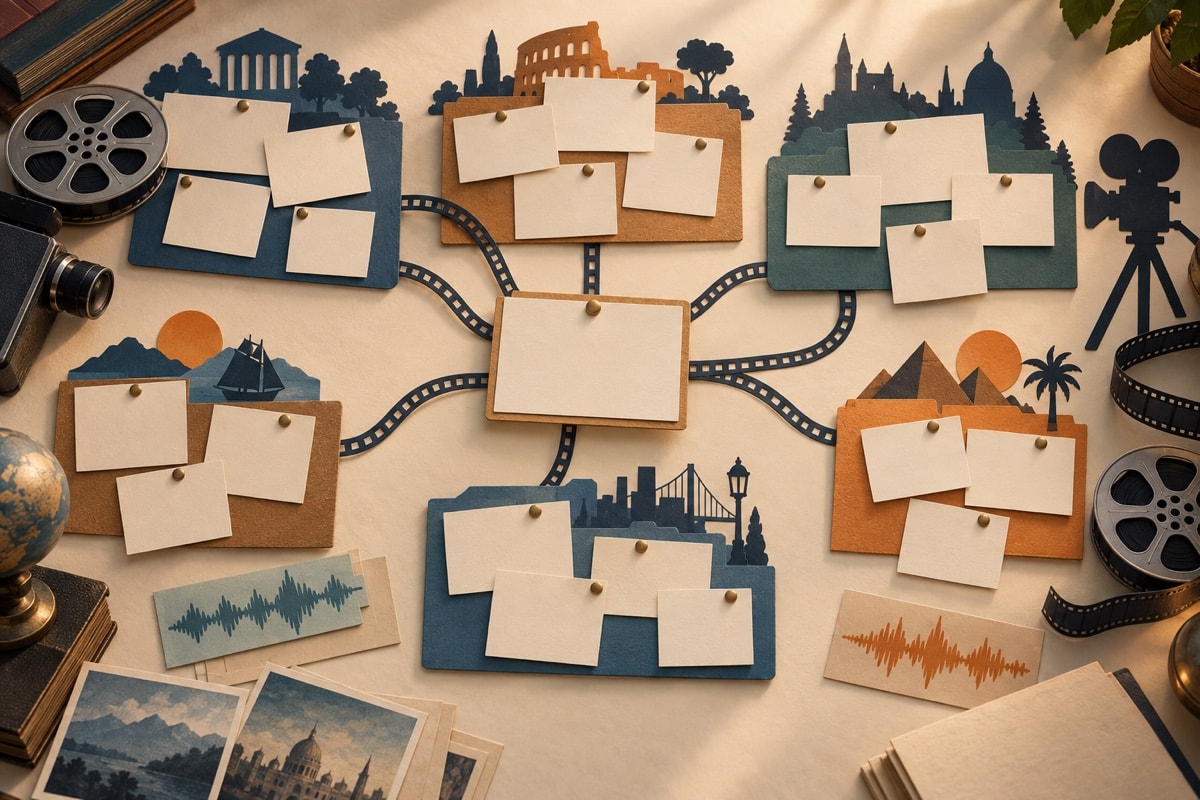
The boards followed a movie from camera to screen. New editors asked how to begin; others focused on bringing media into the computer, shaping clips, building titles, placing music and narration, or solving a failed save. Separate areas addressed hardware, broader production tools and ways of presenting a finished movie online.
That organization still offers a useful map. A question about rough beginnings belongs with the workspace orientation. Uneven dialogue and music lead to the volume guide. A file that will not play belongs with the codecs and containers reference. Contributor conversations and identities are omitted; each subject is answered through current, independently written guidance.
A read-only guide, not a live forum
Nothing here accepts contributions or exposes historical authorship. That boundary protects the people who took part and prevents a historical interface from being mistaken for an active community service. The discussion topics page is an editorial index of common question types, not a set of quotations. The board list preserves categories without displaying names or messages.
How to use the section
Start with the topic closest to the stage where a project has stalled. If media has not reached the collection, begin with video input and source organization. If the timeline is assembled but feels awkward, check trimming, transitions and sound. If the edit is finished but the result seems wrong, separate project-saving questions from movie-file questions before troubleshooting further.
The forum record is most valuable as a reminder that editing problems usually belong to a stage of the workflow. Identify that stage, protect the source files, and follow the linked guide one variable at a time.